


The impact of homelessness
Homelessness can be dangerous, isolating and has an impact on every aspect of a person’s life – their physical and mental health, their relationships and their future.
Sudden pressures like job loss or relationship breakdown can push people onto the brink. Issues like substance abuse or poor mental health are often symptoms, not causes, of homelessness. The longer someone is without a home, the more complex their challenges can become, creating a vicious cycle that’s harder to escape.
Health
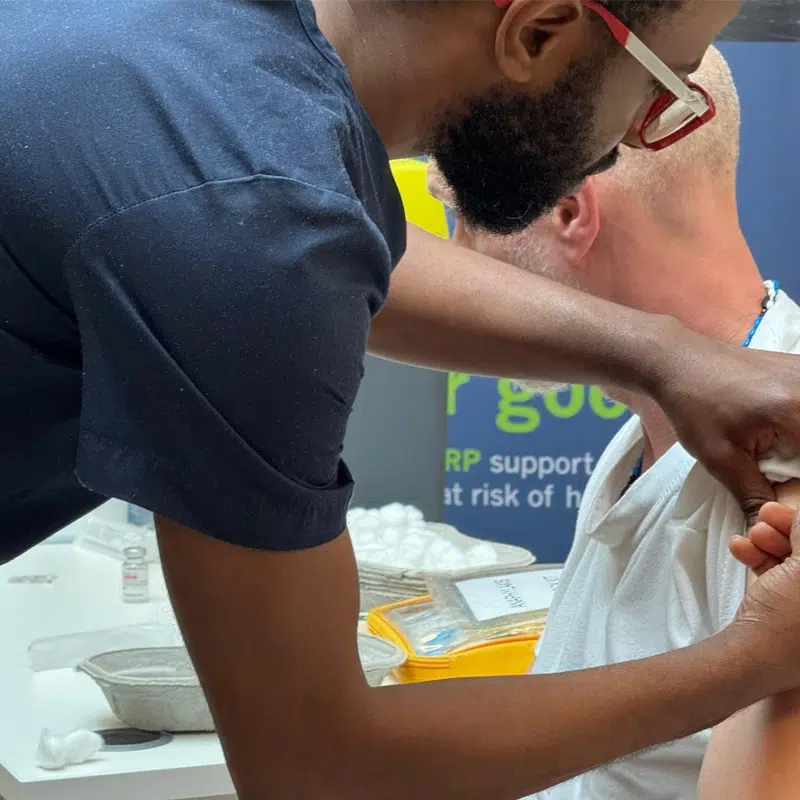
The average age of death for people experiencing homelessness is tragically low – 46 for men and 42 for women. Homeless individuals are also over nine times more likely to take their own life than the general population. Accessing healthcare can be a major challenge, as many GPs require a permanent address to register patients, creating a significant barrier. Although it is now unlawful to turn someone away for not having an address, this practice still occurs too often.
Thankfully, throughout our services, starting at our Bradbury Centre in Southend-on-Sea, we work with the Southend Integrated Healthcare for Homeless Initiative who provide visiting nurses and GPs to provide essential healthcare for those in need.
Crime
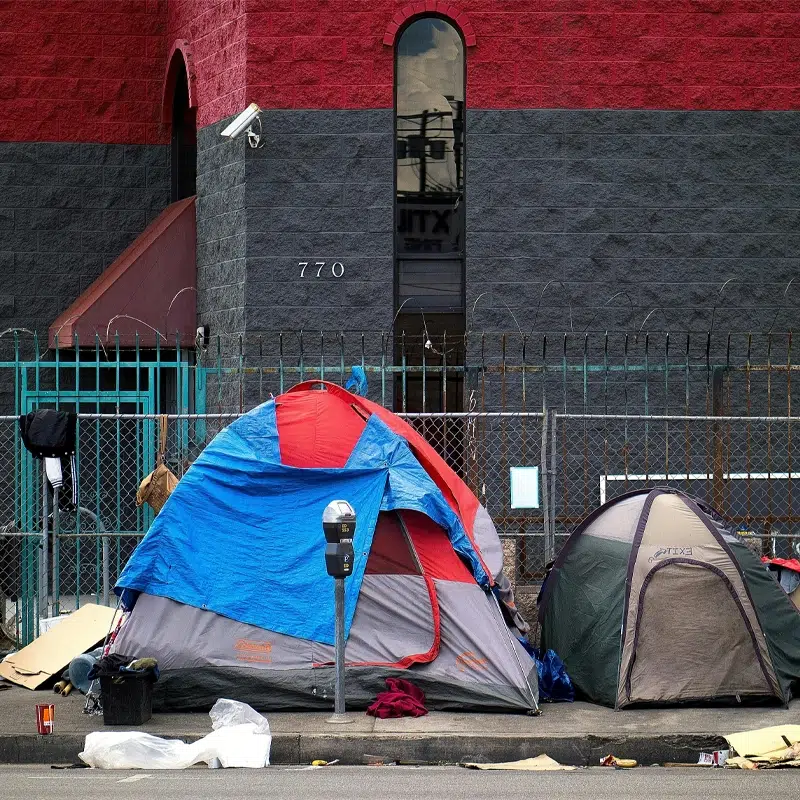
In times of desperation, people experiencing homelessness may sometimes resort to petty crime, but they are far more likely to become victims of crime themselves. Research shows that those sleeping on the streets are nearly 17 times more likely to be victims of violence. Shockingly, over one in three people who are rough sleeping have been deliberately hit, kicked, or subjected to other forms of violence while homeless.

Getting and keeping a job
Finding a secure home and sustainable job is the final step in recovery and key to moving on from homelessness for good. People experiencing homelessness face many barriers to employment, including a lack of skills, qualifications, language barriers, gaps in education or employment history, employer stigma, lack of permanent address and digital exclusion. According to research by Crisis in 2021, 4 in 10 employers would terminate someone’s contract for being homeless, highlighting the prevailing negative perceptions of those who are homeless. Further, people with multiple, complex needs often have ongoing low motivation levels, frequently caused by negative experiences with mainstream services and assumptions that some professions are ‘not for them’.
Thanks to the UK Shared Prosperity Fund funding, HARP’s Employment, Training and Education Programme supports people to find opportunities and move away from support services.