

What is homelessness?
Homelessness is on the rise, and it’s not just about people living on the streets – it takes many different forms.
When people think of homelessness they imagine someone living on the streets but, homelessness is much broader than that. It can take many forms and without a stable home, life becomes unpredictable and challenging. Basic needs like food and shelter become uncertain, forcing people to rely on others for survival.

Rough sleeping
Sleeping rough, or sleeping on the streets, is the most visible and heart breaking form of homelessness. The longer someone endures this harsh reality, the more likely they are to encounter serious challenges, such as trauma, mental health issues, and drug misuse. On any given night, official estimates suggest that over 4,000 people are sleeping rough in England. However, these numbers likely underrepresent the true scale of the problem, as they rely on surveys that can easily miss individuals. Recent research highlights another alarming oversight: the number of women sleeping rough is often underestimated, revealing a hidden crisis within this already pressing issue.
Statutory homeless
In England, according to data from October 2024, the number of households forced to live in temporary accommodation remains at record levels with 117,450 households being placed in this form of accommodation by their council, a 12.3% rise on the previous year.
This often poor quality temporary accommodation, leaves families stuck in a state of “limbo.” Constantly moving without the comfort or security of a permanent home can be very unsettling, especially for families with children. It disrupts their education and shakes their sense of stability. On top of that, only a limited number of people can access this support, making it hard for many to find the help they need. Migrants, people coming out of prison, and those facing substance use issues often struggle to get the assistance they need, slipping through the cracks in the system.

Hidden homelessness
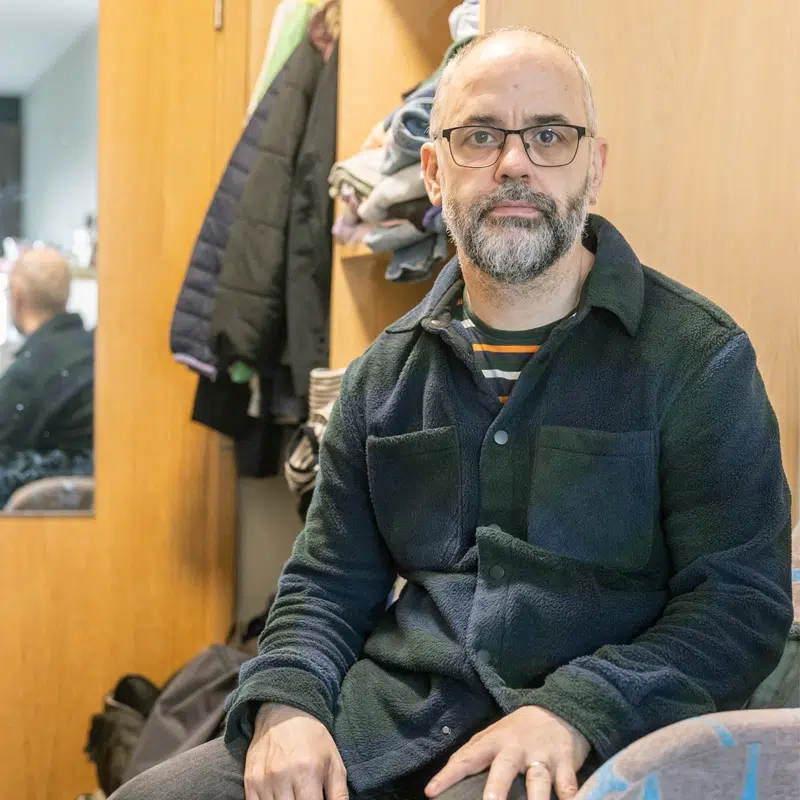
Beyond the visible numbers, there are countless more individuals who make up the “hidden homeless” population – those without a permanent home who don’t meet the statutory definition of homelessness. This group includes people living in overcrowded accommodations or moving between unsuitable places, often referred to as “sofa surfing.” While there’s no reliable data on exactly how many people live like this, estimates suggest that the number reaches into the tens of thousands. This hidden crisis underscores the widespread and often unseen challenges faced by those struggling to find stable and secure housing.
On the brink
The risk of homelessness is rising, especially as the cost-of-living crisis deepens. In 2023 alone, homelessness in England surged by 14%. Without stronger action this worrying trend is likely to continue, pushing those most at risk to the brink.
Homelessness, in any form, can severely impact a person’s health and well-being, both immediately and over the long term. It hinders people from reaching their full potential, trapping them in a cycle of instability with limited access to support. The need for comprehensive solutions has never been more urgent, as we are determined to prevent more people from falling through the cracks.

Why does Southend have a high level of homelessness?
Known for being a bustling seaside city with excellent transport links to nearby London, Southend has a population of over 180,000. It is most famous for its pier, airport, university, and vibrant cultural scene, making it an exciting place to live.
However, Southend also faces significant challenges, including homelessness, poverty, and inequality. It is one of the most deprived areas in Essex, with 25.8% of residents living in the poorest parts of England. The gap between rich and poor is stark – while some areas rank among the least deprived in the country, others fall within the top 10% of the most deprived. This inequality is a major factor contributing to Southend’s high levels of homelessness, as many residents struggle to find affordable housing.